
Research Peptides.
Built Around Quality.
Research products selected with quality, transparency, and consistency in mind. Explore our growing catalog of peptides and laboratory research supplies.
Quality You Can
Verify.
Every 180 Peptides product is built around consistent research standards, independent laboratory validation, and dependable fulfillment.

HPLC Purity
Verified by mass spectrometry and analytical testing.

Party Tested
Independent laboratory validation for research transparency.

Hour Fulfillment
Orders are prepared and dispatched quickly and securely.
Research Focus
180 Peptides compounds are studied across multiple areas of cellular, metabolic, neurological, endocrine, and physiological research.

Tissue Regeneration
Research focused on cellular repair pathways and connective tissue integrity.

Metabolic Regulation
Compounds studied for their role in metabolic pathways and energy signaling.

Neurocognitive Signaling
Research exploring peptide interactions within neurological pathways.

Hormonal Pathways
Investigational peptides studied for endocrine and hormonal signaling processes.

Cellular Longevity
Research into compounds studied for their relationship with cellular aging pathways.

Physiological Recovery
Peptides investigated for their influence on recovery and structural tissue support.
Shop By Research
Explore 180 Peptides research collections organized by biological pathway, research focus, and laboratory application.

General Health
Explore Research →
Growth Hormone
Explore Research →
Gut Health
Explore Research →
Hair, Skin, Nails & Cosmetic
Explore Research →
Healing Research
Explore Research →
Longevity
Explore Research →
Mitochondrial
Explore Research →
Nootropic Research
Explore Research →
Reconstitution Supplies
Explore Supplies →
Research Peptides
Shop All →
Sexual Health
Explore Research →
Sleep Research
Explore Research →
Weight Loss Research
Explore Research →Best Sellers
Explore popular research peptides from the 180 Peptides catalog.
-
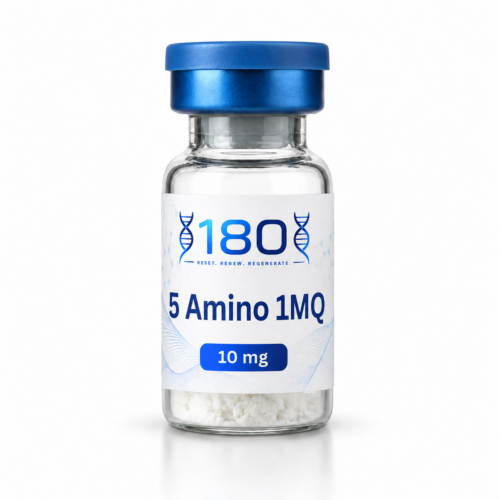 Mitochondrial Peptide Research
5 Amino 1MQ – 10mg
$65.00 -
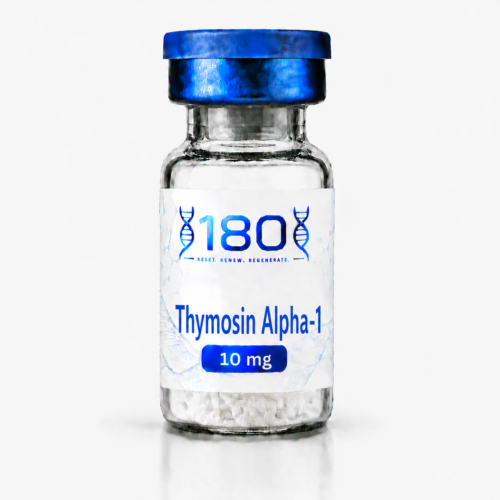 General Health Peptide Research
Thymosin Alpha-1 – 10mg
$120.00 -
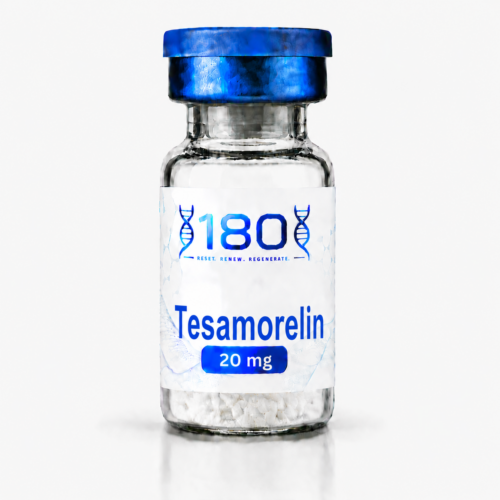 Growth Hormone Peptide Research
Tesamorelin – 20mg
$200.00 -
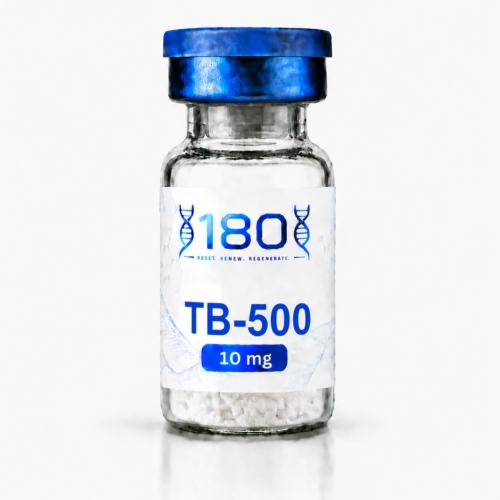 Healing Peptide Research
TB-500 – 10mg
$100.00 -
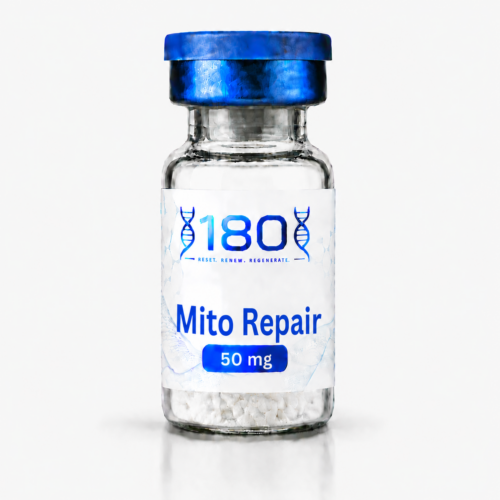 Longevity Peptide Research
Mito Repair – 50mg
$225.00 -
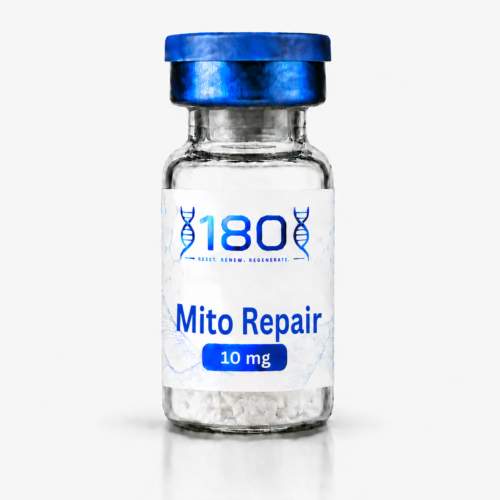 Longevity Peptide Research
Mito Repair – 10mg
$100.00 -
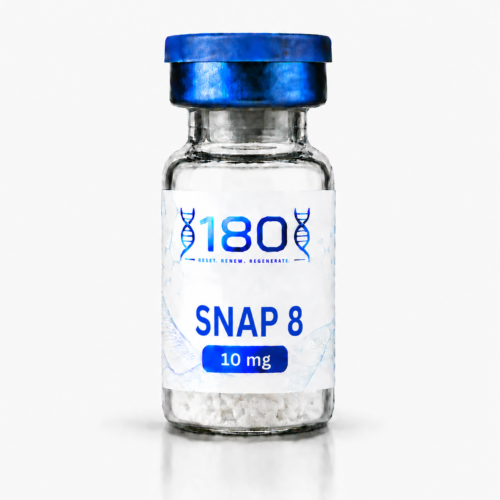 Hair, Nail, Skin & Cosmetic Peptide Research
SNAP-8 – 10mg
$40.00 -
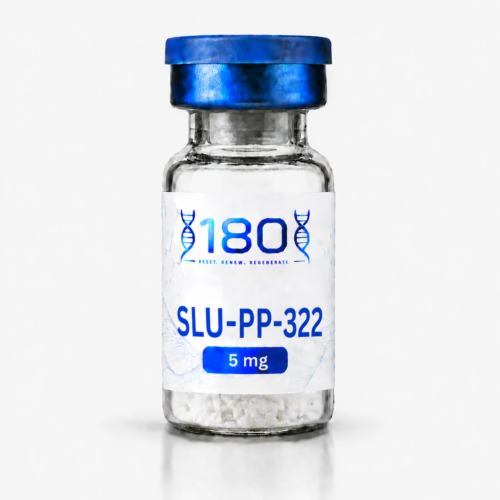 Mitochondrial Peptide Research
SLU-PP-322 – 5mg
$75.00 -
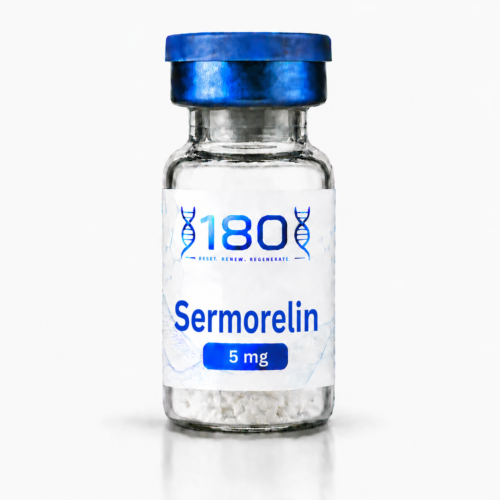 Growth Hormone Peptide Research
Sermorelin – 5mg
$65.00 -
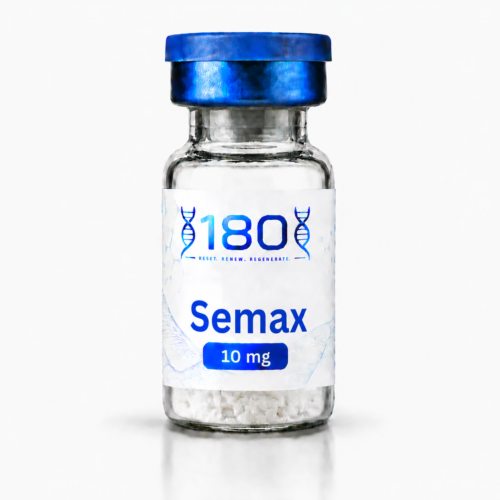 Nootropic Peptide Research
Semax – 10mg
$60.00 -
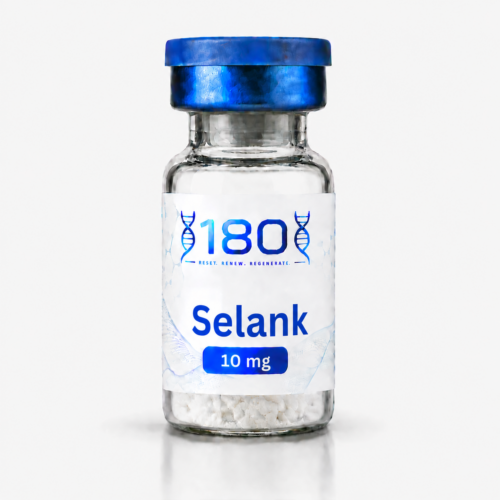 Nootropic Peptide Research
Selank – 10mg
$60.00 -
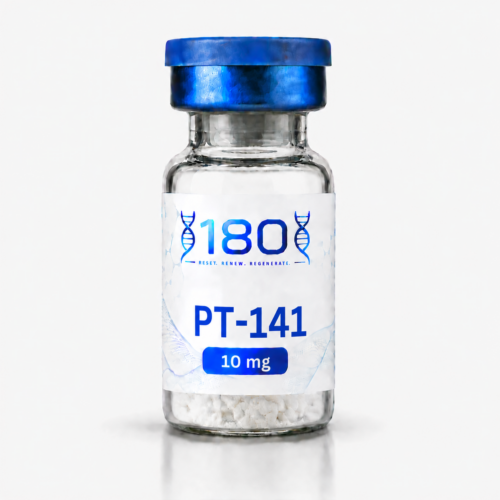 Research Peptides
PT-141 – 10mg
$50.00
Earn 30% Commission.
Join the 180 Peptides Affiliate Program and earn commission on qualifying purchases referred through your unique affiliate link.
Know What’s In
Every Batch.
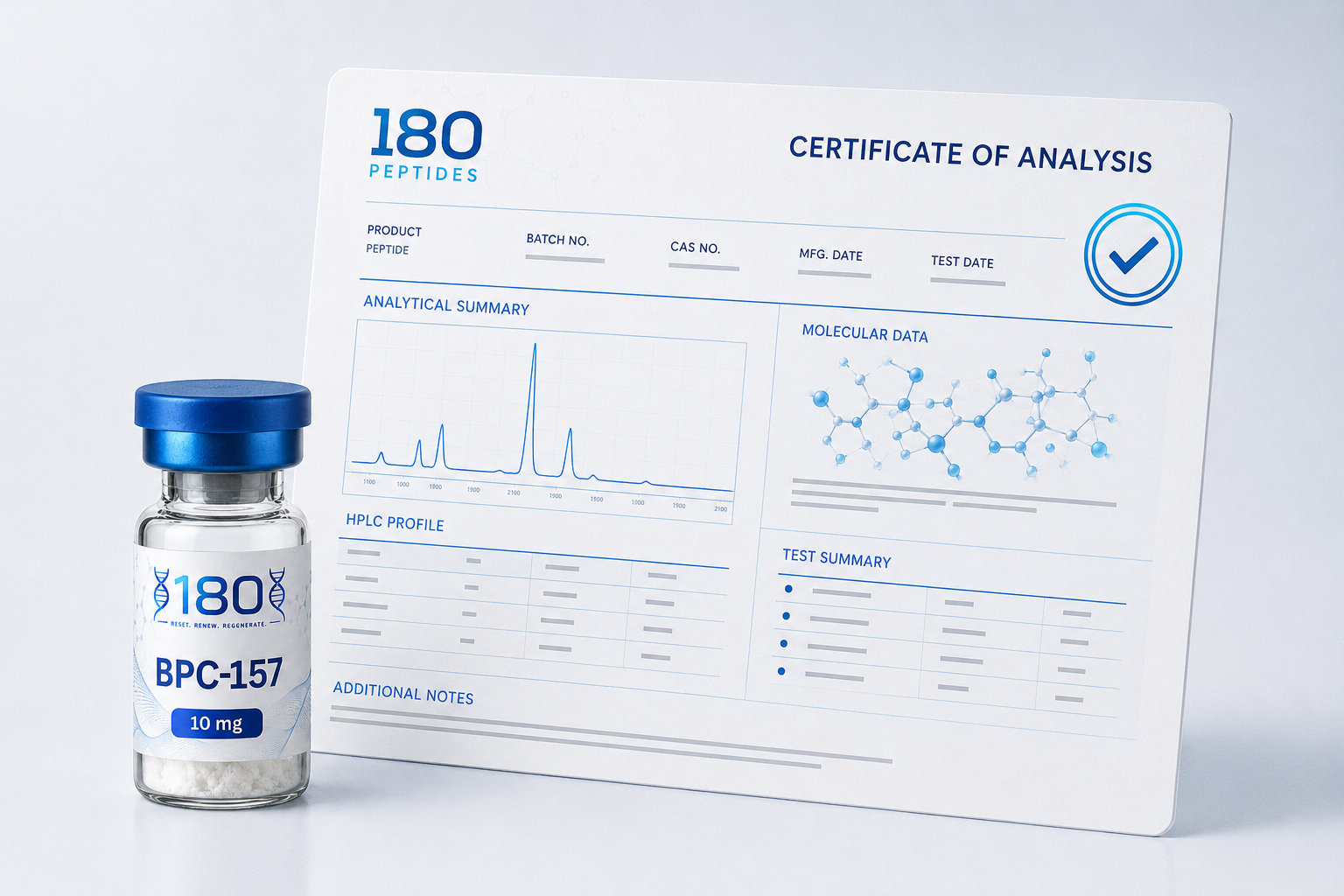
Access available Certificate of Analysis documentation for 180 Peptides research products, including batch-specific analytical testing and verification data.
Join the Peptide Research Collective
A free educational community built around peptide research, scientific discussion, responsible learning, and organized research resources.
Research Education
Explore peptide fundamentals, scientific concepts, and organized educational resources.
Research Resources
Access protocol references, storage information, research tools, and community learning materials.
Community Discussion
Connect with others interested in peptide science, research, and responsible knowledge sharing.
The Peptide Research Collective is an educational community focused on research information and responsible discussion. Community content is provided for educational and research-reference purposes only and does not constitute medical advice, diagnosis, treatment guidance, dosing instructions, or clinical direction.
Frequently Asked Questions
Explore commonly asked questions about 180 Peptides products, research pathways, compound characteristics, and laboratory applications.
Are these products FDA-approved for medical use?
Most compounds offered by 180 Peptides, including BPC-157, MOTS-c, and Meta Lean, are investigational research compounds and are not FDA-approved for the diagnosis, treatment, cure, or prevention of disease.
Certain compounds may also exist in separately regulated or prescription pharmaceutical forms. Products sold by 180 Peptides, however, are supplied exclusively for laboratory and in vitro research purposes.
Which compounds are commonly studied in tissue and injury-repair research?
BPC-157 and combinations involving BPC-157 + TB-500 are frequently investigated in laboratory research involving musculoskeletal recovery, connective tissue, and cellular repair pathways.
Research areas include angiogenesis, collagen organization, signaling involved in tissue repair, and structural recovery processes.
How is Meta Lean studied in metabolic research?
Meta Lean is studied in relation to simultaneous activation of GLP-1, GIP, and glucagon receptors.
Research has examined this signaling profile in relation to appetite regulation, energy expenditure, glucose metabolism, insulin response, and body-weight pathways.
What research pathways are associated with MOTS-c?
MOTS-c is a mitochondrial-derived peptide studied in relation to cellular energy regulation and the AMPK pathway.
Research areas include insulin sensitivity, mitochondrial efficiency, metabolic flexibility, glucose utilization, and cellular energy signaling.
Which peptides are studied in neurocognitive research?
Selank and Semax are widely investigated in research involving neurological signaling, cognition, memory, stress-response pathways, and neuroplasticity.
NAD+ is also studied extensively for its role in cellular energy metabolism, mitochondrial function, and neurological research.
What is PT-141 studied for?
PT-141 (Bremelanotide) is studied for its activity at melanocortin receptors and its relationship with neurological pathways involved in sexual-response signaling.
Published clinical research involving pharmaceutical forms has reported adverse effects including nausea, flushing, headache, and temporary changes in blood pressure.
How is GHK-Cu studied in skin and hair research?
GHK-Cu is a copper-binding peptide investigated in research involving collagen, elastin, extracellular-matrix signaling, and tissue remodeling.
It is also studied in laboratory models involving skin structure, hair-follicle activity, wound-healing pathways, and cellular regeneration.
What is the research relationship between CJC-1295 and Ipamorelin?
CJC-1295 and Ipamorelin interact with different signaling pathways associated with growth-hormone release.
CJC-1295 is studied in relation to the GHRH pathway, while Ipamorelin is investigated as a growth-hormone secretagogue acting through ghrelin-receptor signaling.
For Laboratory Research Use Only
All products offered by 180 Peptides are intended exclusively for legitimate laboratory, analytical, and in vitro research purposes. Products are not intended for human or veterinary consumption, administration, therapeutic use, diagnostic use, compounding, or clinical application.
Information presented on this website is provided for educational and research-reference purposes only and is not medical advice. Statements regarding compounds, biological pathways, mechanisms, published studies, or investigational applications should not be interpreted as claims that any product is safe or effective for the diagnosis, treatment, cure, mitigation, or prevention of disease.
Researchers are responsible for ensuring that acquisition, possession, handling, storage, and use of all materials comply with applicable laws, institutional requirements, laboratory protocols, and regulatory standards.